|
Most people don’t think of themselves as “at risk.”
They’re independent. Capable. Managing their lives just fine.
And yet, there’s a quiet question that catches many people off guard—not because they were careless, but because life simply unfolded differently:
What happens when something goes wrong—and there’s no one to call?
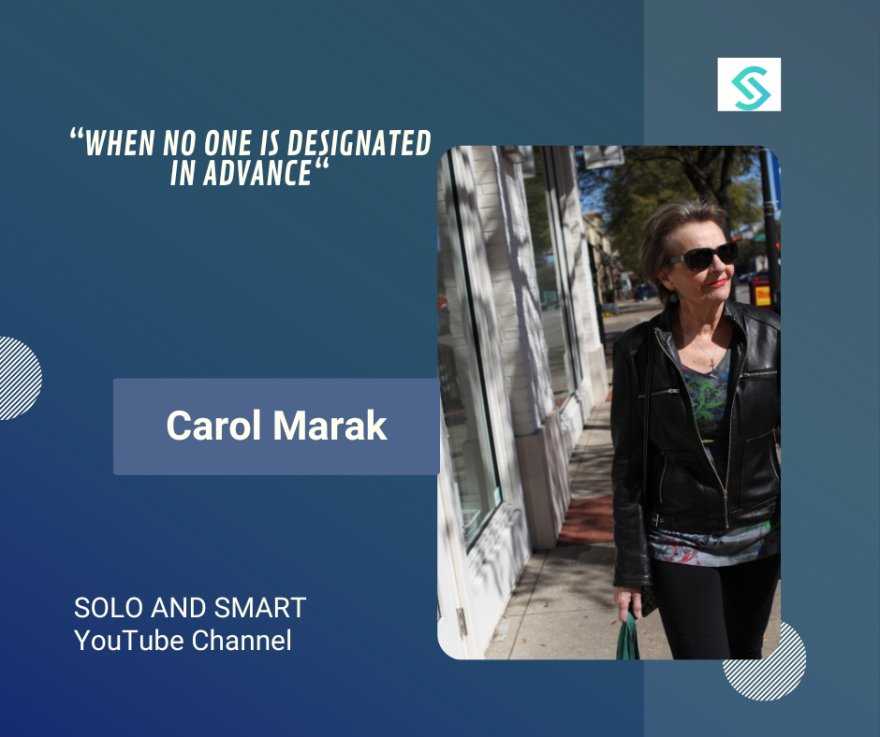
This week on my YouTube channel, I released Episode 2: What Happens When There’s No One to Call?
It’s a conversation many people avoid, even though it affects millions of adults who live alone or without nearby family.
This is not about fear.
It’s about awareness—and protecting your ability to choose.
Most emergencies don’t begin dramatically.
They start quietly:
In those moments, decisions still have to be made.
And when no one has been clearly designated, decisions don’t pause.
They default—to institutions, policies, and speed rather than to you.
People often tell me afterward:
“I didn’t realize how alone I was until then.”
That’s not a personal failure.
It’s how human decision-making works under pressure.
Here’s the uncomfortable truth:
When no one is designated in advance, convenience replaces preference, and speed replaces reflection.
This is how people end up with outcomes they never would have chosen—not because they agreed, but because no one was clearly authorized to speak for them.
One simple step you can take now
You do not need to solve everything today.
But here is one meaningful action that restores control:
Identify one person who knows you well enough to speak on your behalf—and write their name down.
Not to finalize paperwork.
Not to make it official yet.
Just to answer this question honestly: If something happened tomorrow, who would you want consulted first?
Clarity begins there.
Planning is not about predicting the future. It’s about protecting your ability to choose—before stress narrows options and urgency takes over.
Watch Episode 2 here: What Happens When There’s No One to Call?
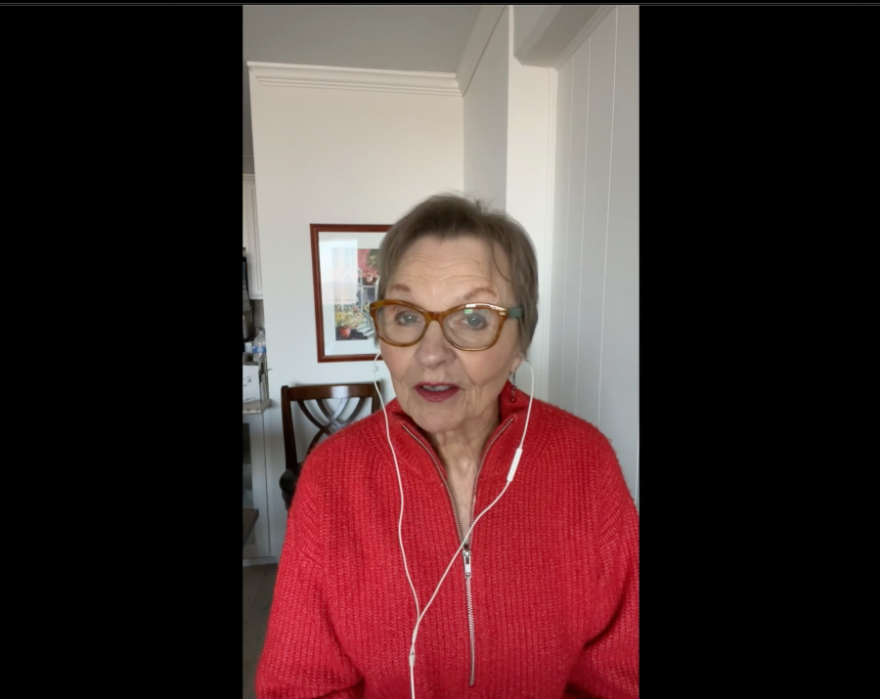
WATCH ON YOUTUBE
And if this topic resonates with you, you’ll want a copy of my Solo Aging Readiness Checklist. It helps you identify the decisions that are far easier to make now—while you’re still fully in control.
Thank you for watching and reading!
Carol Marak
Solo & Smart
|