|
Aging alone doesn't mean giving up your independence. But staying independent as you grow older requires planning, preparation, and people you can count on.
Millions of older Americans live alone, and many of us love the freedom, privacy, and independence that come with it. But what happens when unexpected health problems, transportation difficulties, or changes in mobility make everyday life more challenging?
Who will notice when something changes? Who will show up when you need help? And have you created a plan to protect your independence?
My experience as a family caregiver, combined with years of working with older adults, has shown me how easily gaps in our support systems can go unnoticed until a crisis occurs.
I love living alone. But I also recognize that independence doesn't mean having to manage everything by myself.
Why Solo Aging Planning Matters
Watch the latest episode on YouTube: Independent Until...When?
(click here and below)
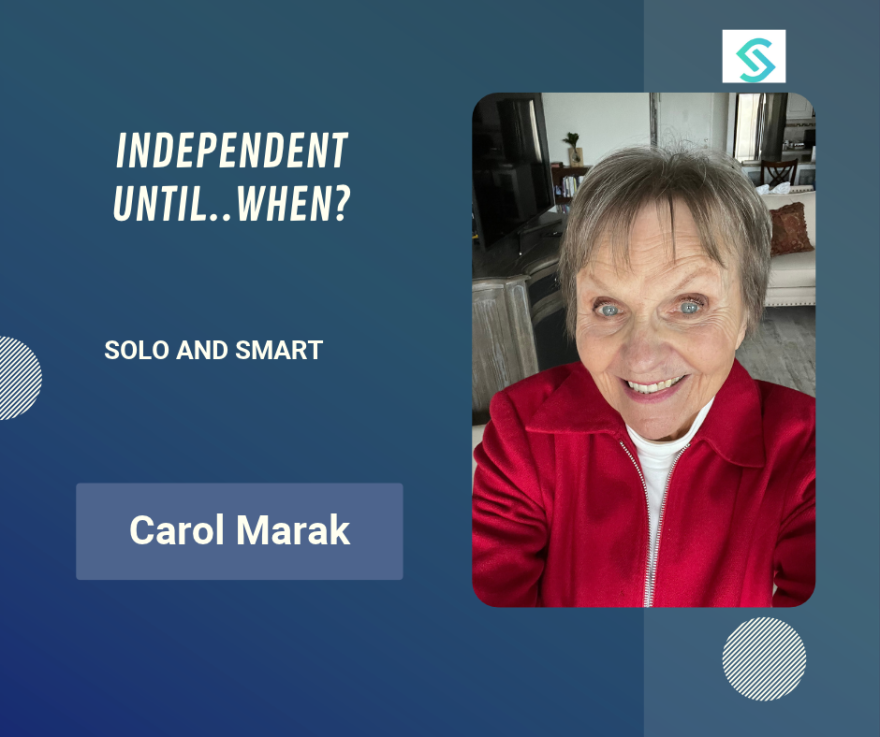
In this YouTube video, I talk about the article: The Reality of Living Alone in Retirement)
A recent article, The Reality of Living Alone in Retirement, highlights an important reality:
Living alone isn't necessarily a problem. Many older adults thrive on their own.
The concern is what happens when our circumstances change.
Perhaps driving becomes more difficult. A medical appointment requires transportation. An illness makes grocery shopping impossible. Or an unexpected hospitalization leaves important decisions in someone else's hands.
These changes often happen gradually, which is why preparing early is so important.
What You'll Learn on Solo and Smart
This upcoming series will explore the practical steps that help you stay safe, secure, connected, and independent as you grow older.
We'll discuss:
-
Solo aging and independent living: Understanding the risks and opportunities of growing older alone.
-
Building a reliable support network: Creating relationships with friends, neighbors, peers, and professionals who can help when needed.
-
Health and emergency preparedness: Planning for unexpected illness, hospitalization, or changes in mobility.
-
Legal and financial readiness: Making sure important decisions, documents, and responsibilities are addressed before a crisis.
-
Housing and transportation: Preparing for changing needs while protecting your independence.
-
Social connection and life purpose: Staying engaged, connected, and fulfilled throughout your later years.
Through my book Solo and Smart, my Life Plan Assessment, and the Solo and Smart Aging online course, I help adults identify vulnerabilities, recognize their strengths, and develop practical strategies for aging well.
Don't Wait Until a Crisis Forces Decisions
You don't have to give up living alone to build a dependable support system.
Start by understanding where you may be vulnerable. Identify people who can help. Put arrangements in place before they're needed.
Most importantly, don't drift into your 80s without making decisions about the future you want.
The goal isn't simply to live longer. It's to remain independent, connected, and in control of your life for as long as possible.
Take the First Step Toward Aging Well
Explore the Life Plan Assessment, educational programs, and practical resources for solo aging:
https://carolmarak.com/
Invite your friends to subscribe to Solo and Smart for conversations, strategies, and planning tools that help you prepare for the unexpected and protect the independence you've worked so hard to build.
Start thinking about the following and keep it in mind as we explore the top aging risks:
What's your biggest concern about growing older while living alone?
Article Referenced
The Reality of Living Alone in Retirement — October 22, 2026
[https://www.theretirementmanifesto.com/the-reality-of-living-alone-in-retirement/]
Thank you for reading,
Carol Marak, Solo and Smart
#SoloAging #AgingAlone #AgingInPlace #IndependentLiving #RetirementPlanning
|